Sortir de sa zone de confort numérique : l'art de la communication réelle
Sometimes, the most courageous thing we can do is simply show up — voice, eyes, and all — in a room where someone else is waiting to be met.
Soline Béranger·mis à jour 28 août 2026
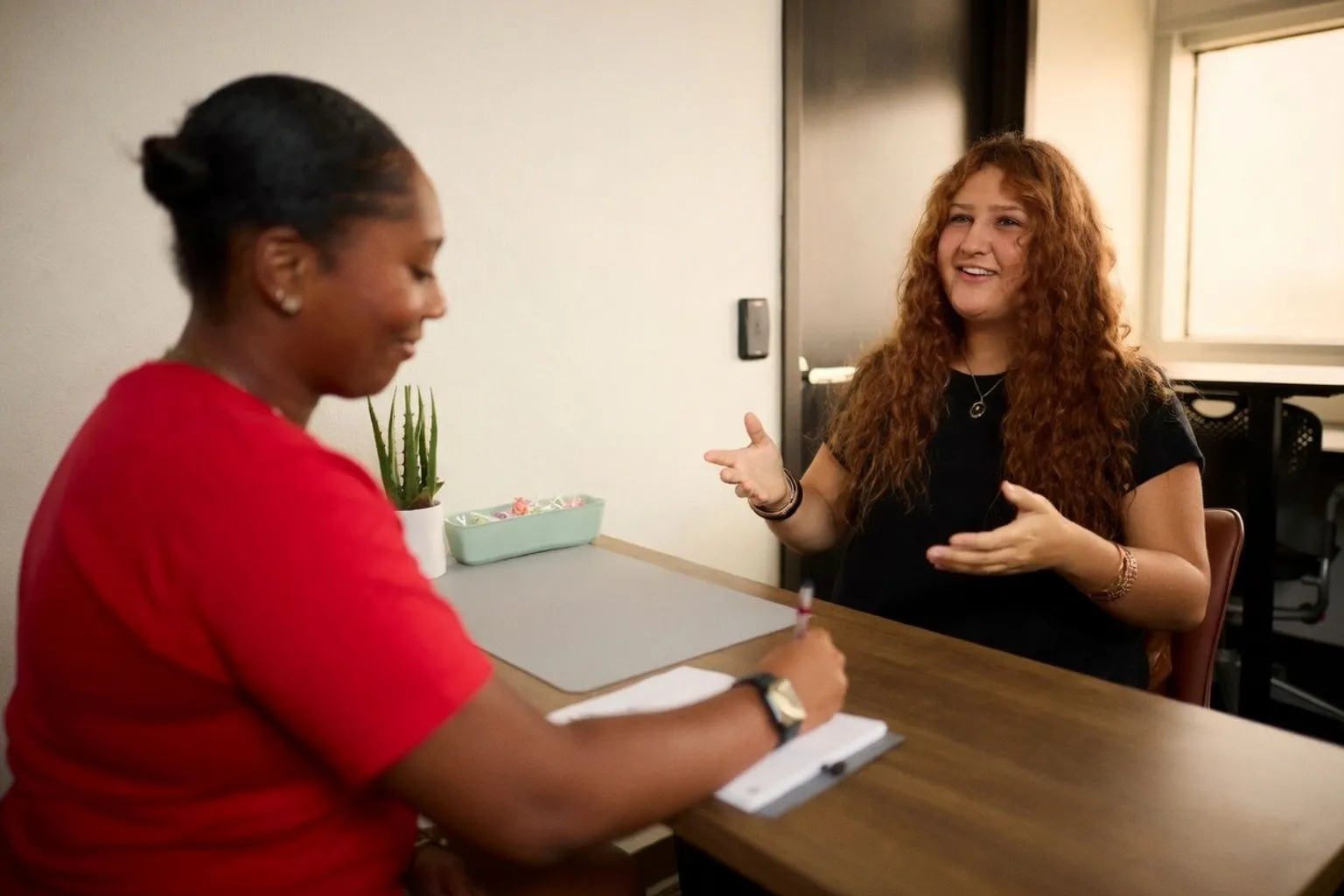
According to the University of Nevada, Las Vegas, a small communication coaching space nestled on the fourth floor of Greenspun Hall is helping students remember what it means to connect beyond the glow of a screen, and the quiet lesson it offers travels well beyond the American campus, into the intimate lives of all of us who have built our friendships, our flirtations, sometimes our loves, around the gentle flicker of a chat window.
Retrouver le fil de la voix
In those softly lit rooms, four undergraduate coaches offer something rare in our hyperconnected era: a refuge for those who have grown fluent in typing but anxious in speaking, who can craft a message in seconds yet feel their breath shorten at the thought of improvising a sentence aloud. Michelle Zepeda Ochoa knows this particular ache intimately — she once trembled through every school speech, eyes welling up at the mere thought of an audience, counting the seconds until she could escape the stage. Today, she stands on the other side of that fear, guiding peers through tone, through eye contact, through the often forgotten vocabulary of the body, the one that no keyboard can quite translate.
The simplicity of the work is almost startling, because we have collectively convinced ourselves that presence is either natural or impossible, rather than something patiently woven, thread by thread, through small repetitions and the kind of feedback that lets us breathe again. We forget that even the most accomplished speakers were once beginners, that courage is less a sudden gift than a quiet muscle grown tender through repeated use.
Ce que les écrans taisent
Sonya Portillo, fellow coach at the COM Lab, names what so many of us feel but rarely articulate with such clarity — the way a message can arrive sideways, stripped of warmth, emptied of the very emotion it tried to carry, how a sentence meant with tenderness can be received as cold distance, and how the absence of tone often fills the silence with our own worst fears. The convenience of text, she notes, can too easily become the enemy of intimacy, leaving behind a strange asymmetry of expectations where we are constantly connected yet somehow never quite heard, where the silences between two people grow loud even as the notifications multiply, where we know everything about someone and yet understand them less than ever.
This is, at its heart, what the COM Lab understands: that learning to speak is inseparable from learning to listen, that the small acts of improvised conversation, of being surprised by another person's answer, of noticing the slight shift in their posture, are not luxuries but essential nutrients — the kind of resonance no algorithm can manufacture on our behalf, the kind of warmth that only a living voice, in a living room, can truly offer.
Cultiver le courage d'être présent
The deeper invitation, then, is to stop treating our offline hesitations as personal flaws and to start treating them as skills worth cultivating — with the same patience we bring to learning a new chat interface, a new way of opening a conversation, a new rhythm of typing that once felt foreign and now feels like home. If even those who now coach others once stood paralyzed before a room full of faces, then our own trembling deserves gentleness, and our attempts to show up in person deserve practice rather than self-judgment. The screen remains a wonderful bridge, a place where shy hearts can begin to find each other and where hesitant words can be tested in safety, but it cannot remain our only shelter if we want those fragile connections to truly breathe, to settle into something deeper, to become the kind of presence that survives the switch from notification to conversation.